
This article is translated from the Chinese original.
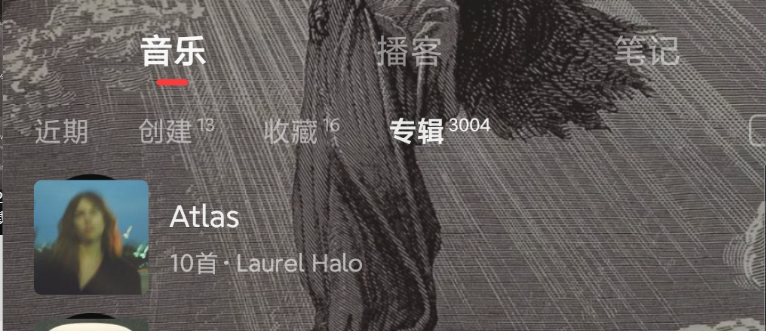
Just today, my album listen count reached 3,000. It is a number with no inherent meaning, but from the perspective of quantitative change leading to qualitative change, it is already enough.
What does listening to that much music affect most directly? I think it affects aesthetics. Maybe you have seen people say that “there is no hierarchy in aesthetics,” but I think there is. Not in the sense of elegance versus vulgarity. My own understanding of “aesthetics” is closer to “aesthetic sensitivity,” meaning the ability to perceive certain qualities in things. Some people can sense the beauty in raindrops tapping against surfaces; some can sense the beauty in wind moving bamboo leaves. Dull people, by contrast, cannot perceive those things, or derive much less joy from them. As for aesthetics itself, I think my earliest exposure was in high school textbooks, where there was an excerpt from The Path of Beauty. Later I even read the original book and gained a rough understanding of how Chinese aesthetics developed.

Alright, back to the main point. What effect does aesthetic sensitivity have on music? Of course it matters. The clearest sign is whether someone can appreciate a certain genre. Some people simply cannot appreciate rock, jazz, or classical music. The benefit of having listened to a lot of music is that you have heard all kinds of things; they already belong to your musical worldview, so accepting something new becomes much easier. But what about a genre you have never encountered before? Does listening to a lot still help? This is where the construction of a musical worldview comes in. Just as you should read classics when building a reading foundation, you should also start with classics when exploring music. The best way to enter a genre is to listen along its developmental history: who founded it, which albums are the classics. A musical worldview built this way has a very solid foundation. If you listen from the old to the new, you begin to understand that every modern genre grew out of something that already existed. Seeing those strands of connection is naturally helpful when appreciating modern music.
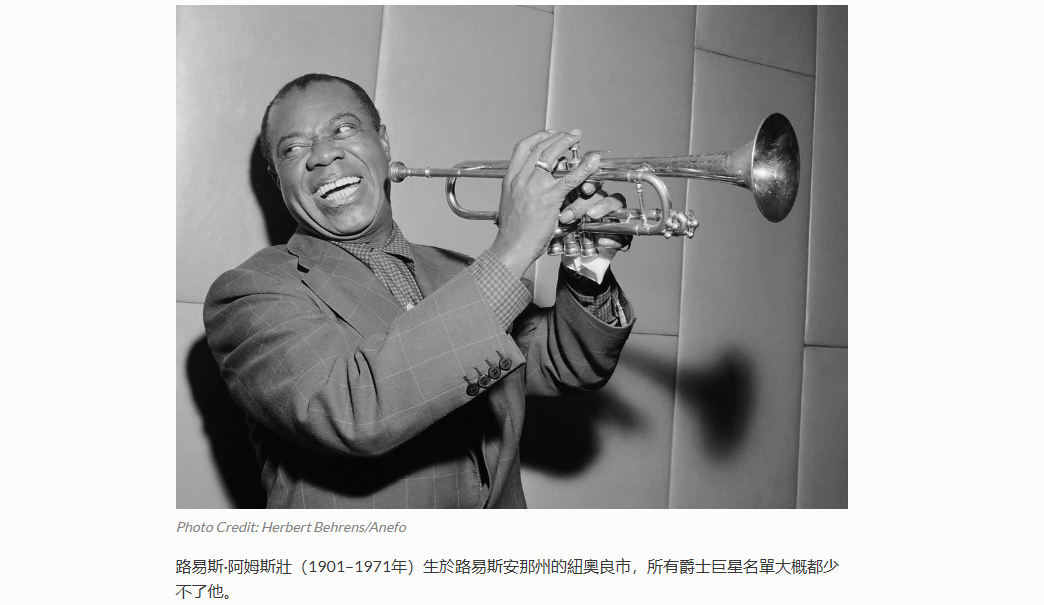
For me, the charm of music does not stop at the level of sound. It reaches into history and the humanities. What moves me in a song or an album is often not only the melody and rhythm, but also the story behind it and the echo of its era. I especially like browsing album comment sections, where people sometimes share things related to the record. I find that fascinating.
The aesthetic process of music is also a process of self-knowledge and self-exploration. When you truly understand how a genre evolved, your appreciation rises from a simple “this sounds good” to a deeper resonance. That resonance comes from understanding the emotions and ideas conveyed by the work of art. Sometimes, when I listen deeply enough, I feel a tingling sensation through my body. I even looked it up once. It seems to be called a “skin orgasm”?
Music, to me, is like a language: rich, varied, and wonderfully subtle. The more music I listen to, the richer my vocabulary becomes, and the stronger my ability to express my inner world. I draw nourishment from music.
So perhaps 3,000 albums is only a beginning. It marks a small milestone in my musical journey, and it also suggests that countless unknown musical worlds are still waiting for me ahead. What music has given me is not only an improvement in aesthetic sensitivity, but also a continuous evolution of my attitude toward life and the depth of my thoughts. That, perhaps, is the true meaning of music to me.